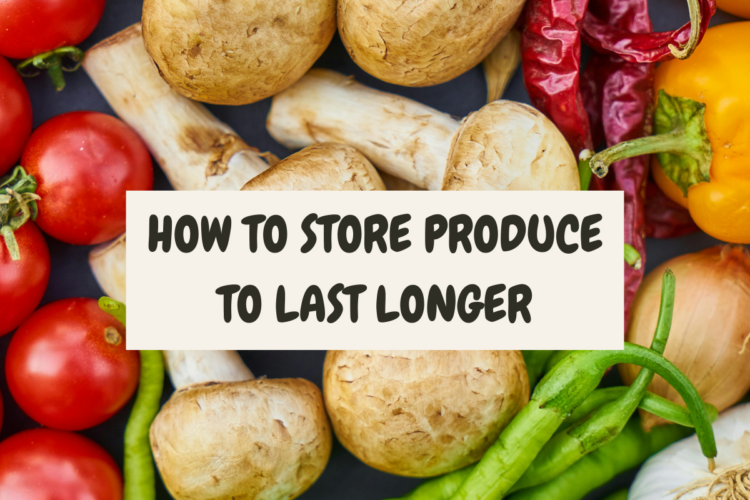
Keeping fruits and vegetables fresh is a challenge for many families, especially when trying to maintain a healthy diet while minimising food waste. Proper storage not only saves money but also ensures you always have fresh, nutritious ingredients at your fingertips. In this comprehensive guide, we’ll cover the best ways to store various types of produce, tips for extending their shelf life, and answers to frequently asked questions about keeping your fruits and veggies fresh longer.
General Storage Tips for All Produce
- Separate Ethylene-Producing Foods
Certain fruits, like apples, bananas, and avocados, release ethylene gas, which speeds up ripening and can cause nearby produce to spoil faster. Store these separately from ethylene-sensitive items like leafy greens, berries, and potatoes. - Avoid Washing Before Storing
Moisture can encourage mold and spoilage. Wait to wash produce until you’re ready to use it. - Use Proper Storage Containers
Investing in breathable storage bags or containers with ventilation can help regulate humidity and airflow, keeping produce fresher longer. - Know Your Crisper Drawers
Use the high-humidity drawer for leafy greens and other moisture-loving produce. Use the low-humidity drawer for fruits and veggies that prefer a drier environment. - Keep an Eye on Spoilage
Regularly check for produce that’s starting to spoil. One bad item can cause others nearby to go bad faster.
Ethylene-Producing Foods
These fruits and vegetables release ethylene gas, which accelerates ripening:
- Apples
- Apricots
- Avocados (during ripening)
- Bananas
- Cantaloupes
- Figs
- Guavas
- Honeydew melons
- Kiwis
- Mangoes
- Nectarines
- Papayas
- Passion fruit
- Peaches
- Pears
- Plums
- Tomatoes
Ethylene-Sensitive Foods
- These are particularly prone to spoiling faster when exposed to ethylene gas:
- Asparagus
- Avocados (before full ripening)
- Broccoli
- Brussels sprouts
- Carrots
- Cauliflower
- Cucumbers
- Eggplants
- Leafy greens (spinach, lettuce, kale, etc.)
- Okra
- Peppers (bell peppers, chili peppers)
- Potatoes
- Squash (zucchini, yellow squash, etc.)
- Sweet potatoes
- Watermelon
Note: Avocados do produce ethylene gas during ripening, but not as significantly as bananas or apples. However, once avocados begin ripening, they can generate more ethylene, which contributes to their fast ripening process. Avocados are also sensitive to ethylene. This dual behavior explains why placing avocados near ethylene producers like bananas speeds up their ripening.
How to Store Common Vegetables
Leafy Greens (Spinach, Kale, Lettuce)
- Best Storage Method: Wash, dry thoroughly, and store in a container lined with a paper towel to absorb excess moisture. Keep in the high-humidity drawer of your fridge.
- Shelf Life: 5-7 days.
Carrots and Celery
- Best Storage Method: Store in a sealed container filled with water to keep them crisp. Change the water every few days.
- Shelf Life: 2-3 weeks.
Potatoes
- Best Storage Method: Store in a cool, dark, and well-ventilated space. Avoid storing them in the fridge, as cold temperatures can convert starches to sugar, altering the taste and texture.
- Shelf Life: 1-2 months.
Onions and Garlic
- Best Storage Method: Keep in a cool, dark, and dry place with good ventilation. Avoid storing them in plastic bags.
- Shelf Life: 2-3 months.
Tomatoes
- Best Storage Method: Store at room temperature away from direct sunlight. Refrigerate only when fully ripe to extend shelf life.
- Shelf Life: 3-5 days (ripe); 7-10 days (unripe).
Bell Peppers
- Best Storage Method: Store in a breathable bag or container in the crisper drawer.
- Shelf Life: 1-2 weeks.
Broccoli and Cauliflower
- Best Storage Method: Wrap loosely in a damp paper towel and store in the crisper drawer. Avoid sealed plastic bags, as they trap moisture.
- Shelf Life: 4-7 days.
Cucumbers
- Best Storage Method: Wrap in a dry paper towel and store in the low-humidity drawer. Avoid storing near ethylene-producing fruits.
- Shelf Life: 1 week.
How to Store Common Fruit
Apples
- Best Storage Method: Keep in the fridge away from other produce to prevent ethylene gas from accelerating ripening.
- Shelf Life: 4-6 weeks.
Bananas
- Best Storage Method: Store at room temperature. Once ripe, transfer to the fridge to slow further ripening (the peel may darken, but the fruit will stay fresh).
- Shelf Life: 2-7 days (room temperature); up to 10 days (refrigerated).
Berries (Strawberries, Blueberries, Raspberries)
- Best Storage Method: Wash only when ready to eat. Store in a breathable container lined with a paper towel.
- Shelf Life: 3-5 days.
Citrus Fruits (Oranges, Lemons, Limes)
- Best Storage Method: Store in the fridge or at room temperature if consuming within a week.
- Shelf Life: 2-3 weeks.
Avocados
- Best Storage Method: Store unripe avocados at room temperature. Once ripe, move to the fridge to slow ripening.
- Shelf Life: 3-5 days (ripe).
Grapes
- Best Storage Method: Keep in a breathable bag or container in the fridge. Wash only before eating.
- Shelf Life: 1-2 weeks.
Storing Fresh Herbs
Soft Herbs (Cilantro, Parsley, Basil)
- Best Storage Method: Trim the ends and place in a jar with water, covering loosely with a plastic bag. Store basil at room temperature and others in the fridge.
- Shelf Life: 1 week (basil); 1-2 weeks (parsley, cilantro).
Hard Herbs (Rosemary, Thyme, Sage)
- Best Storage Method: Wrap in a damp paper towel and store in an airtight container in the fridge.
- Shelf Life: 2-3 weeks.
Freezing Produce to Extend Shelf Life
If you can’t consume produce before it goes bad, freezing is a great option. Here are some general tips:
- Blanching: For vegetables like broccoli, green beans, and carrots, blanch them in boiling water for 1-2 minutes before freezing to preserve color, texture, and nutrients.
- Flash Freezing: Spread items like berries or chopped veggies in a single layer on a baking sheet before transferring to a freezer-safe bag. This prevents clumping.
- Labeling: Always label freezer bags with the date to keep track of storage times.
Frequently Asked Questions
How Do I Know If My Produce Is Still Fresh?
Look for signs of spoilage like mold, unpleasant odors, or mushy textures. For leafy greens, discard any slimy or discolored leaves.
Can I Store Fruits and Vegetables Together?
Generally, it’s best to separate them due to ethylene gas. However, exceptions exist, like carrots and apples stored in the same space.
What’s the Best Way to Keep Salad Greens Crisp?
Store washed and dried greens in a container lined with paper towels. A salad spinner can also be helpful for removing excess water.
Are There Specific Foods That Should Never Be Refrigerated?
Yes, some produce like potatoes, onions, garlic, and unripe tomatoes lose flavour and texture when refrigerated.
How Long Can Frozen Produce Last?
Most frozen fruits and vegetables can last up to 8-12 months if stored properly.
Final Thoughts
Learning how to store produce properly is one of the simplest ways to reduce food waste, save money, and enjoy fresh, delicious meals. By understanding the specific needs of different fruits and vegetables, you can extend their shelf life and get the most out of your grocery shopping. Start implementing these tips today, and watch how they transform your kitchen habits for the better!
Read Similar




Affiliate Disclaimer: This website may include affiliate links, which means I may earn a commission if you click through and make a purchase. This comes at no additional cost to you and helps support the content and resources I provide. I only recommend products and services I genuinely believe in and that align with the values of this platform. Your trust is important to me, and I’m committed to transparency. Thank you for your support!